Pressure Cooker Pakistan: How to Choose the Best One for Daily Cooking
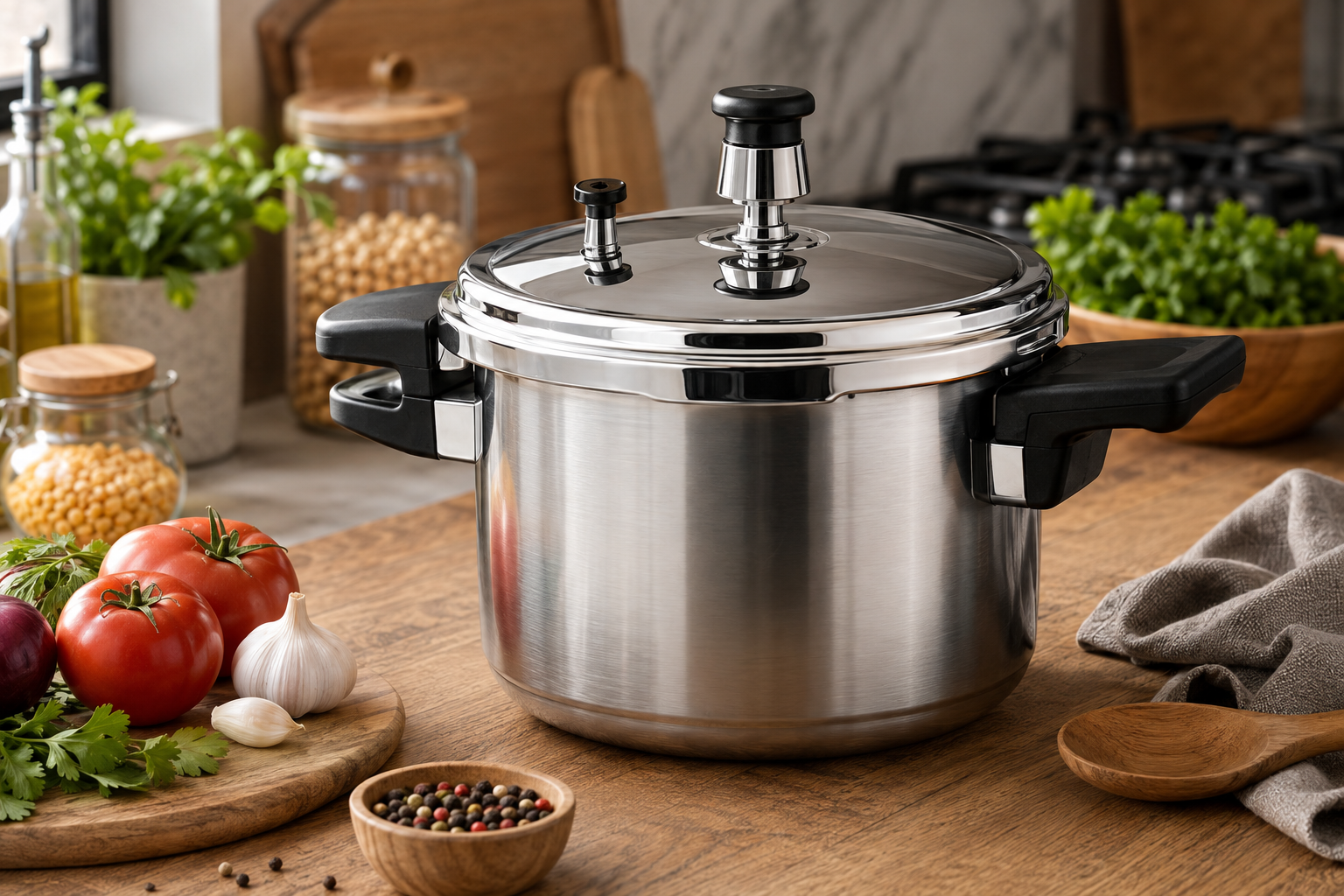
Alright, quick question before we get into it. How many times have you gone to a cookware shop, picked something up, put it back down, picked up another one, and then just… left empty-handed? Yeah. Me too, more than once. Finding a proper pressure cooker Pakistan kitchens can actually depend on isn’t as easy as grabbing whatever catches your eye first. Our gas pressure drops randomly half the time. Water here is hard enough to wreck cheap metal within a year. And the amount of daily cooking most households do here? A lot of imported cookers just aren’t built for that kind of workload. I went through two cookers I regretted buying almost immediately. The one I’ve got now is closing in on five years, still whistles the way it’s supposed to, still seals fine. So let’s just talk through this without the sales pitch, because honestly, most guides online just repeat the same five points anyway.
Why This Actually Matters More Than People Realize
A pressure cooker isn’t some occasional gadget you dig out for guests. In most homes here, it’s used almost every day, sometimes twice. Daal on a regular weekday, nihari when there’s time on the weekend, quick keema when someone drops by unexpectedly. And when it’s a bad one, it doesn’t just fail you once, it fails you every time. Slower cooking. Uneven heat. A whistle that never sits right no matter how tight you twist it. Doesn’t sound like a big deal on its own, but it piles up fast, more gas wasted, more time stuck near the stove, more of your patience burned for nothing in return. Even the companies making these things admit most complaints come down to weak gaskets or shaky lids, not the person cooking. So really, the issue usually starts with the product itself, not you.
What’s Actually Out There
Before jumping into a heavy duty pressure cooker, it’s worth knowing your options. Aluminum ones are light, heat fast, and don’t cost much, which is exactly why they’re still everyone’s go-to for daily gas cooking. Steel cookers are heavier, sure, but they last longer and don’t react to anything acidic, tomatoes, vinegar, that kind of thing. Then there’s induction-friendly ones, more people are picking these up now that gas shortages every winter push people toward electric stoves anyway. And hard-anodized cookers, scratch-resistant, looks nicer, costs more too. Each one has a purpose depending on how you cook. If you’re doing two meals a day and just want something quick without spending too much, an aluminum pressure cooker is honestly fine. Nothing wrong with keeping it simple.
How Do You Actually Pick One
This is usually where people get stuck. Staring at five cookers that all kind of look the same, wondering what separates them besides the price sticker. Start with size, based on how many people you’re feeding. A 3-liter is fine for a couple, but a family of five or six ends up cooking in batches, which basically defeats the point of buying one at all. Rough guide worth remembering: two or three people, go with 3 to 5 liters. Four to six people, look at 5 to 7 liters. Bigger households, or ones where guests show up all the time, probably need 7 to 10 liters.
Build quality comes next, and it’s probably the single biggest factor in how to choose the right pressure cooker that actually lasts years instead of months. Feel the base with your hand. A thin base warps quickly and cooks unevenly, you’ll notice within a few months, not years. Run your finger along the rim too. If it feels rough or uneven anywhere, the gasket won’t sit properly, and that’s where leaks usually start. Safety stuff isn’t something to brush off just because it sounds boring. Look for a working pressure release valve, a visible safety plug for when pressure builds too much, and a lid that locks and stays locked while cooking. Something I always tell people, ask the shopkeeper to lock and unlock it right there in the shop before you pay. If it feels stiff even brand new, that’s already a bad sign.
Handles get ignored way more than they should. Ones that stay cool matter a lot, especially if kids are around while you’re cooking. And the whistle, oddly enough, one that’s too quiet or too sharp throws off your timing more than you’d expect, and that affects texture more than people think. Cleaning is worth thinking about before buying too, not after. Some cookers have separate valves and gaskets you’re scrubbing constantly, others are just simpler to live with. If you’re always rushing while cooking, and honestly who isn’t, get something that opens, washes, and dries quickly.
What Nobody Tells You About Everyday Cookers
If you’re specifically after the best pressure cooker for daily cooking, don’t get distracted by extra features you’ll probably never use. Focus on weight and how easy cleanup is instead. A cooker that’s a pain to wash just sits there unused while you go back to a regular pot, meaning you basically wasted money for nothing. From what I’ve personally seen, mid-range steel or anodized cookers hit the right balance. Heavy enough that heat spreads evenly, so daal doesn’t stick and burn at the bottom, but not so heavy that lifting it full of water feels like a workout. I switched from a cheap, thin one to something slightly heavier a few years back, and honestly the difference surprised me. Meat that used to take four whistles started finishing in three. Doesn’t sound like much, but over a month, that’s real gas savings. That kind of practical stuff matters way more than any logo on the box.
Mistakes People Still Keep Making
Buying purely based on price is probably the most common one. Cheapest cooker usually means the cheapest gasket, and that’s the first thing to fail anyway. Skipping the warranty check is another mistake people don’t even think about, a real heavy duty pressure cooker should come with at least a year or two of coverage on the body itself. Overfilling is a big one too, most cookers shouldn’t go past two-thirds full, especially with rice since it expands so much while cooking. And then there’s the classic one, forgetting to change the rubber gasket. It wears out every year or two whether you notice it or not, and honestly it’s the number one reason cookers stop sealing properly.
One Last Thing
Not every brand yelling “unbreakable” or “lifetime warranty” on the box actually means it. Before buying, check for a proper certification mark, read through a few real buyer reviews, and if the seller allows returns within the first week, that’s usually a decent sign. That one habit alone has saved me from a bad purchase more than once, no exaggeration.
FAQs About Pressure Cookers in Pakistan
Q1: Aluminum or steel, which one’s actually better for daily use?
Aluminum heats faster and is lighter to lift, good for quick everyday meals. Steel weighs more but lasts longer and won’t react with acidic stuff like tomatoes or vinegar.
Q2: How often does the gasket really need changing?
Roughly every 12 to 18 months, sooner if steam starts sneaking out the sides instead of through the whistle where it should.
Q3: What size actually makes sense for a family of four?
A 5 to 6-liter cooker usually covers it fine, enough room for rice, daal, or meat without pushing past the fill line.
Q4: Is paying extra for a heavy duty cooker actually worth it?
If you’re cooking more than once a day, yes, the heavier base spreads heat more evenly and just holds up longer than the cheaper stuff.
Q5: Can these actually be used on induction stoves?
Only if it’s clearly labeled induction-compatible, meaning it’s got that flat, magnetic base built in.